I’m not sure who originated the concept, but there are always three worlds/peoples interacting when reading Scripture:
Reflecting on each of those worlds can bring out different nuances of a given passage. Much of my reading and studying thus far has been considering worlds other than our own.
For example, I’ve been reading Karl Barth’s Romans Commentary with a friend and meeting after finishing each section for discussion. Barth is a challenging and slow read and I am grateful to be in conversation while reading to gain deeper understanding. Several times we’ve noted the ways Barth’s insights about Romans speaks palpably to the German world in which he is living. But that is not to say Barth’s insights or the words of the epistle don’t resonate in the present.
I’m also reading several books that look at the Bible in light of the ancient world in which they were originally written. Often Christ’s parables, for example, become all the more palpable given the audience to which he speaks.
Learning about the culture, history, and context of Scripture helps us hear details we might otherwise miss. The world behind the text is important to consider. The characters, their development, responses and interactions within the biblical story can be illuminating and give great depth to engaging with the Bible. And as mentioned in the last post, we of course bring our questions, fears, hopes, and assumptions to the story too. Being aware of each world is a helpful tool in exploring the interplay of interacting with Scripture.
But, underneath all three worlds is something even more fundamental. The living voice of God speaking through the text itself. Scripture continues to endure across centuries, cultures, languages, and circumstances because God promises to speak through those words. The world changes. Empires rise and fall. Technologies advance. New questions emerge. But, the God who addresses humanity remains the same throughout.
The power and beauty of Scripture is that through these words, God has and continues to address humanity. The Bible is not merely a record of what God once said to others; it is the means by which God still speaks today. Long after the original authors, audiences, and empires have passed away, the Word remains active and alive. God has spoken and continues to speak through Scripture’s story.
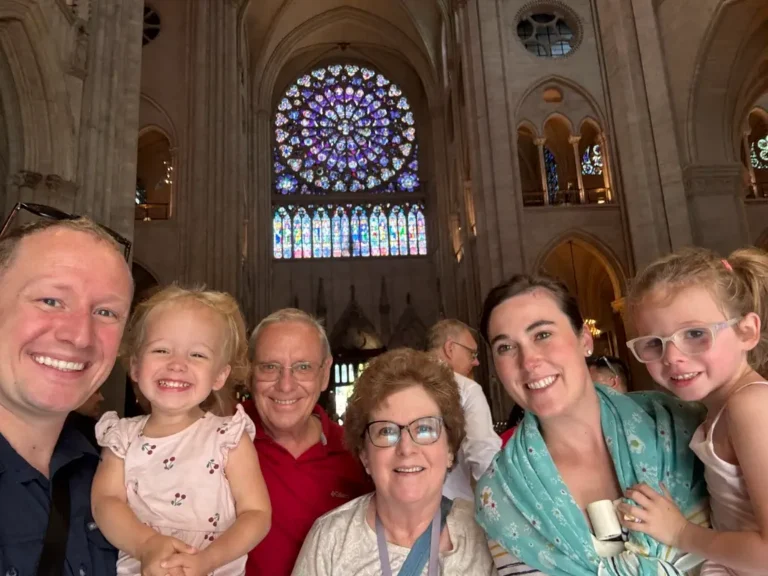
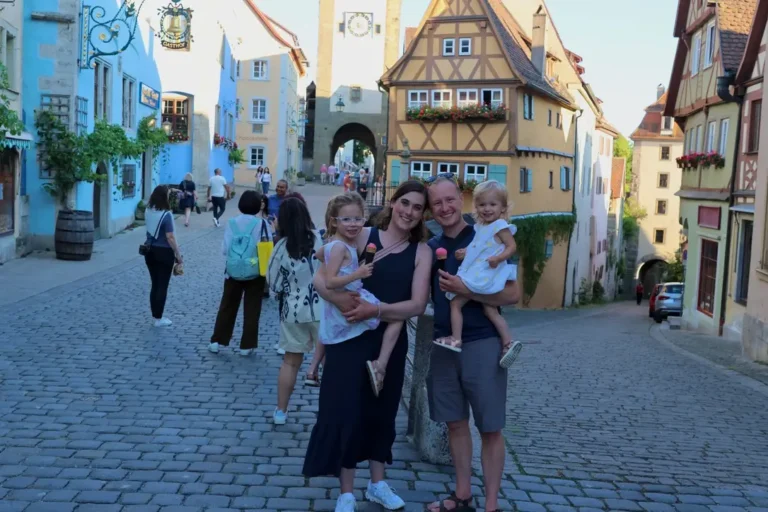
As an aside, the family and I head out next week for our month in Europe. The next posts will include pictures from the other side of the world! Prayers appreciated for safe travel, the kids transitioning to a very different time zone, and the stories to be written while away. Thank you!
Click here to explore posts from all trips, or check out some recent ones: